Background

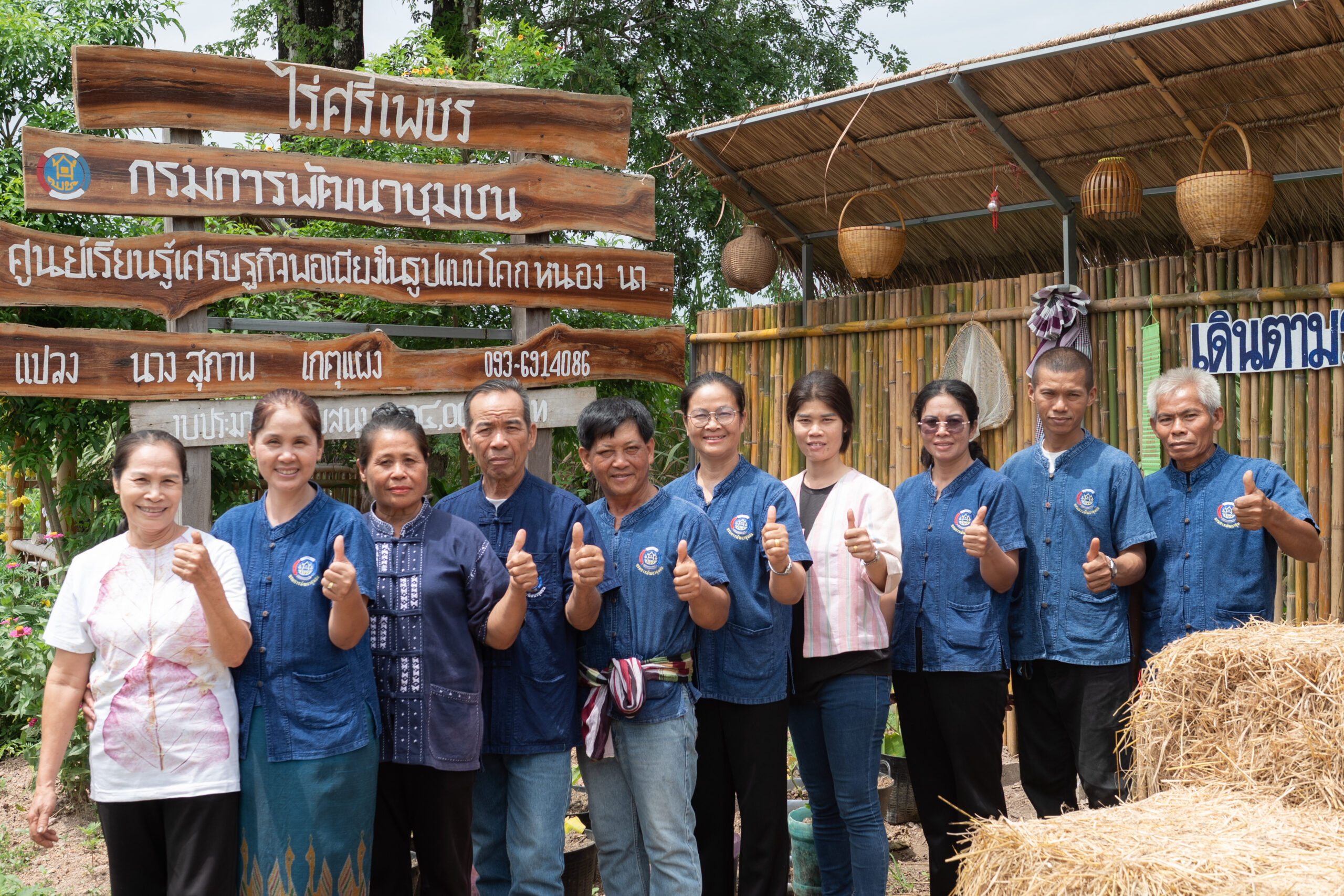
         The Khok Nong Na Phak Pha Na Wang Academy (Sri Phet Sufficient Agriculture) was founded through the strong determination of “Mae Supap”, who began her journey by participating in training programs based on the New Theory Agriculture under the Khok Nong Na Project. Despite having to travel and attend the training sessions alone, she never gave up on learning.

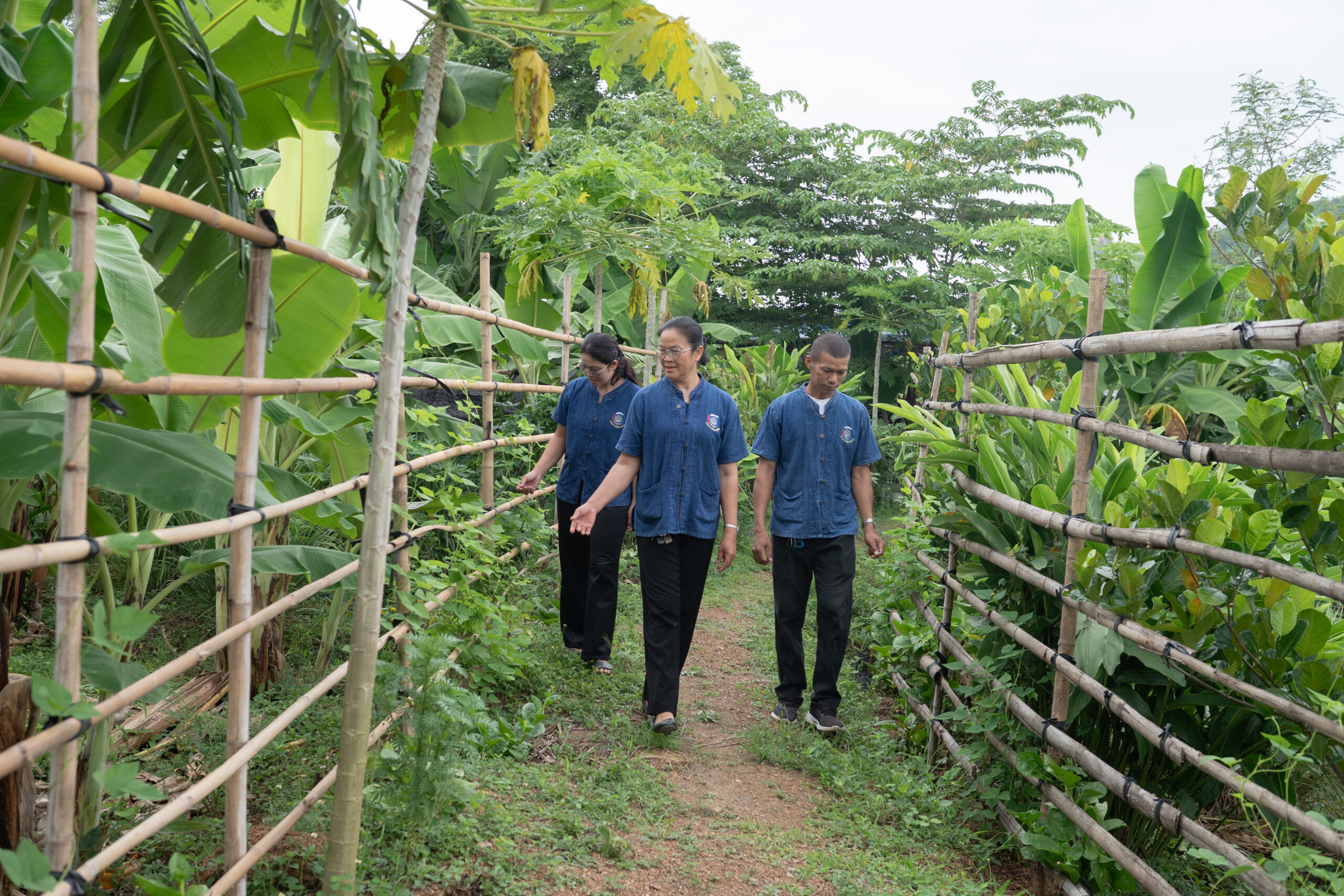
          After gaining new knowledge, Mae Supap applied it to develop her own land of more than 3 rai, guided by the principles of the Sufficiency Economy Philosophy. She relied on natural raw materials, avoided the use of chemicals, and focused on producing safe food for household consumption while also sharing with the community.

          Her diligence and sincerity in implementing these practices led to the recognition of her farm, which was later developed into a “Vitchalai” (Academy)—a learning center visited and studied by people from various districts and provinces.

Operational Approach of the Academy

         The academy emphasizes the use of local resources and existing materials, such as fish farming, banana cultivation, and galangal planting. Knowledge is built through hands-on practice and then passed on to others who come for training or study visits.

It follows the concept of “Keep doing it with pride”, gradually building and growing. The focus is not on commercial production, but on sharing knowledge and food crop varieties.

          The guiding principle is “Do one thing at a time, eat one bite at a time, walk one step at a time.”

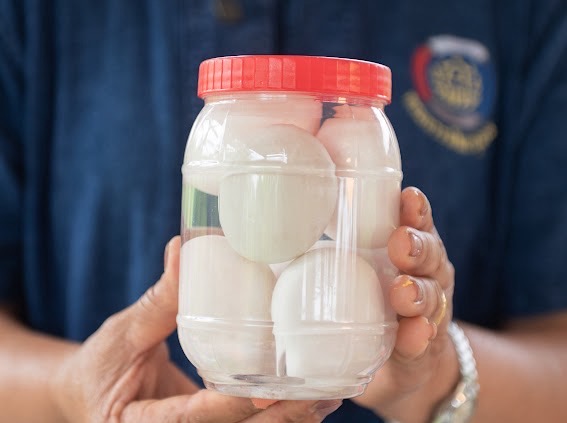
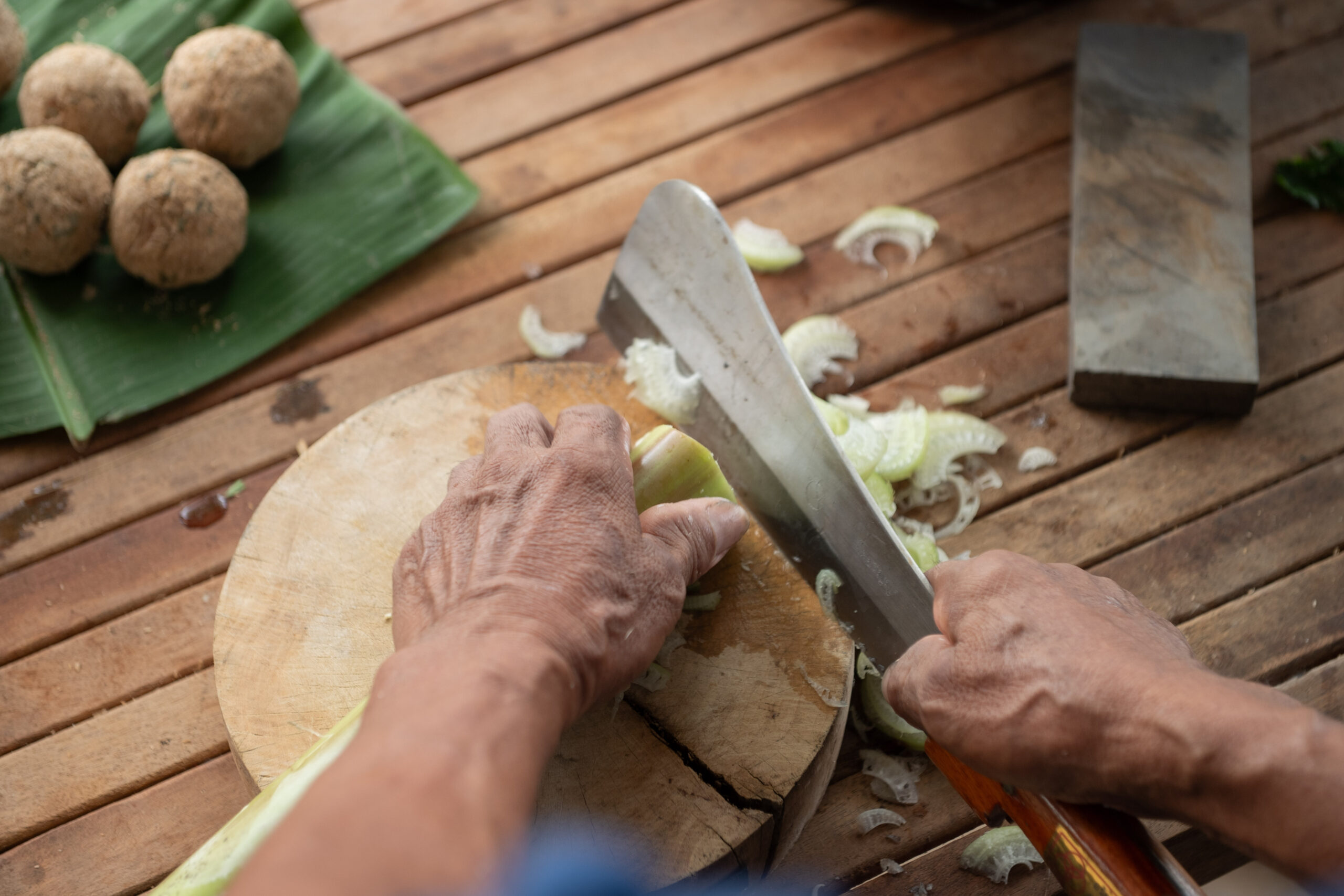
          A modest income is generated from processed products such as salted eggs, banana chips, fish feed, and fermented betel nut paste.

Highlights of the Academy

         The academy offers a wide range of activities, including fish farming, banana cultivation, food processing, salted egg production, fermented betel nut preparation, and organic galangal cultivation, which is a unique feature of the area.

           Its primary goal is to share knowledge, transfer techniques, and promote sustainable food security.

Academy Curriculum

Vocational Training Courses: Designed for those interested in learning new skills that can be applied to careers.

  1. Land Design
    – Learn how to plan agricultural land using the Khok Nong Na model based on the New Theory of Agriculture.
    – Land proportioning: 30% pond, 30% upland (khok), 40% crop/utility area.
    – Designing land to ensure integrated sources of food, water, and energy.
  2. Forest Conservation
    – Learn the “Three Forests, Four Benefits” approach.
    – Techniques for cultivating perennial trees alongside edible plants.
    – Using local materials to retain soil moisture.
  3. Water Conservation
    – Digging ponds and “chicken-gut” canals.
    – Rainwater harvesting and natural filtration systems.
    – Restoring shallow water sources.
  4. Soil Conservation
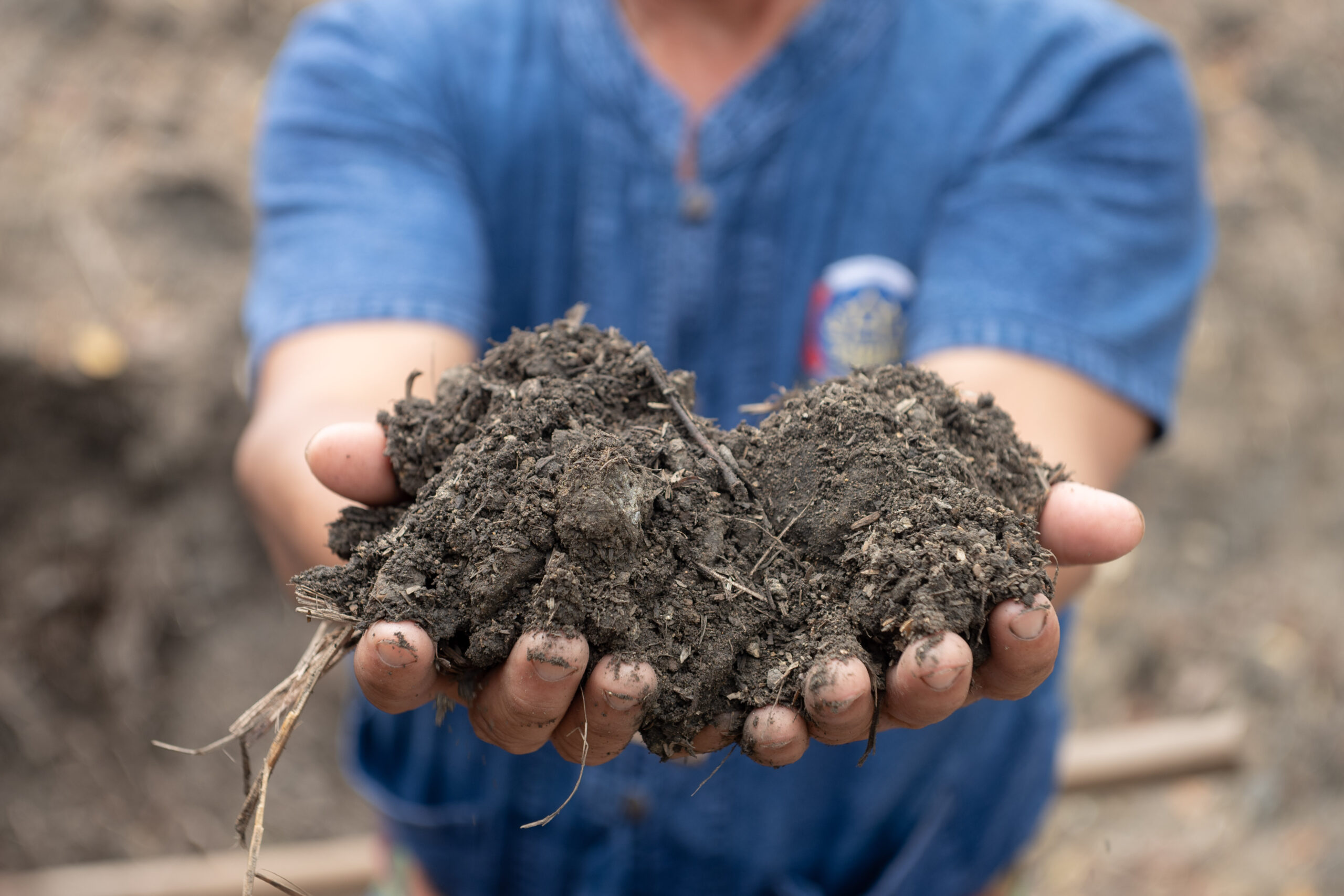
    – Improving soil naturally with compost and green manure.
    – Mulching with dry leaves and straw.
  5. Organic Gardening
    – Growing organic vegetables.
    – Creating raised or sufficiency-based vegetable plots.
    – Soil enrichment using photosynthetic microorganisms.
  6. Rice Cultivation
    – Growing rice without chemicals.
    – Propagating local rice varieties.
    – Processing rice into food and local products.
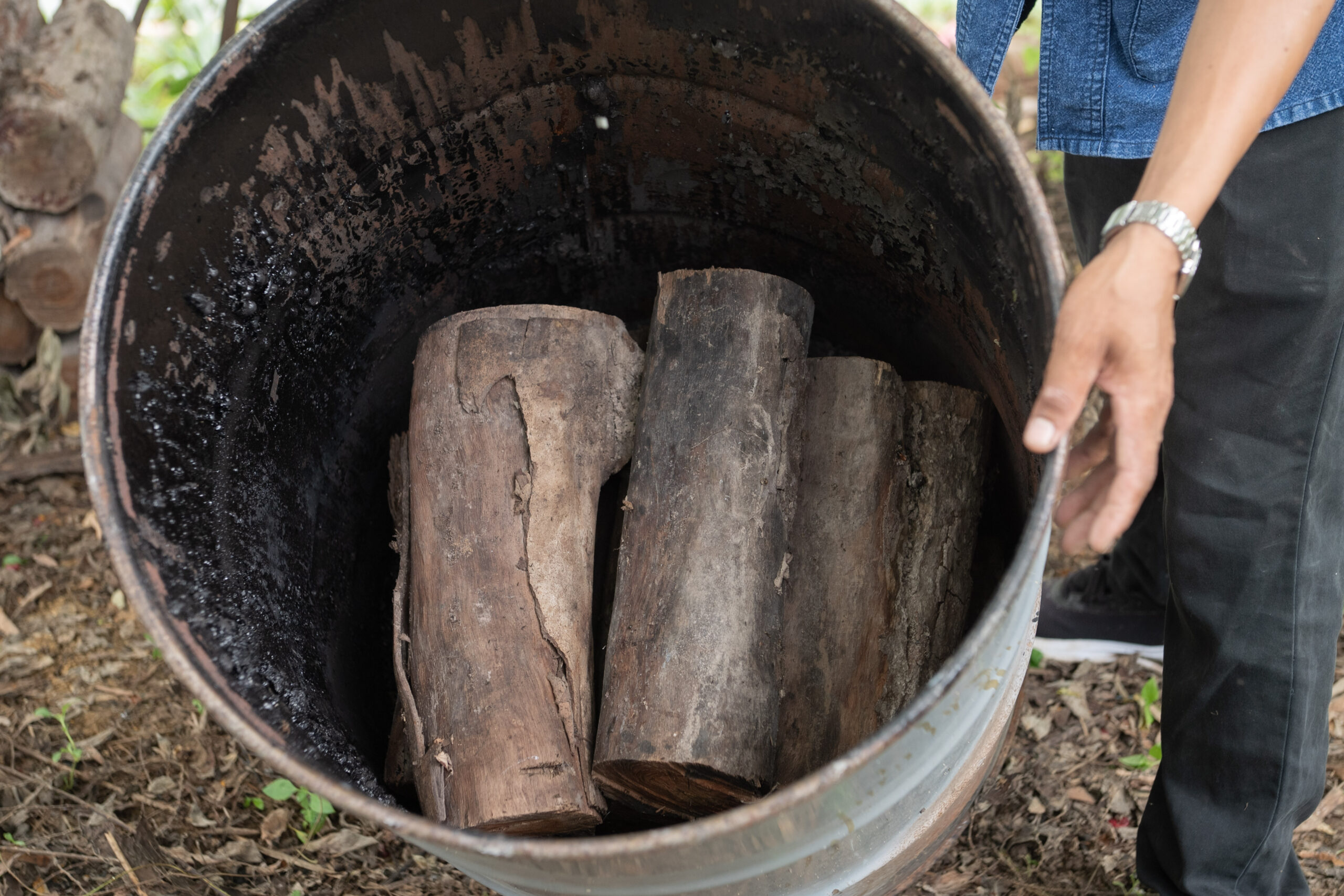
  7. Charcoal Production
    – Making charcoal from wood or bamboo.
    – Using charcoal to improve soil and absorb odors.
  8. Renewable Energy
    – Using energy-saving stoves or corn husk stoves.
    – Producing solar energy.
  9. Health & Wellness
    – Using local herbs such as Andrographis paniculata (Fah Talai Jone), ginger, and lemongrass.
    – Making herbal compresses, balms, and massage oils.
    – Practicing traditional herbal steam therapy.
  10. Low-Cost Fish Feed Production
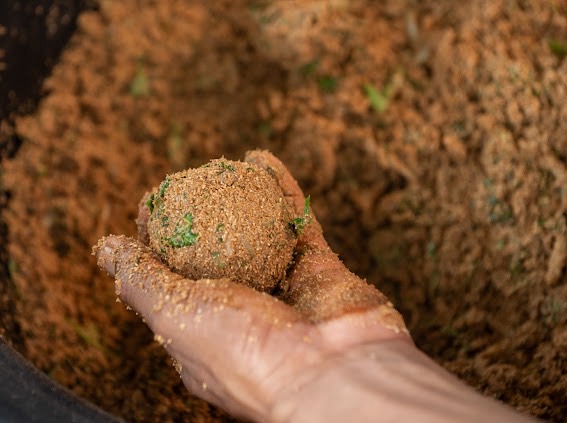
    – Using local ingredients such as rice bran, vegetable scraps, and fermented pumpkin.
    – Fermenting with Effective Microorganisms (EM).
    – Shaping into pellets and sun-drying for long-term storage.
  11. Salted Egg Production Processing into clay-coated salted eggs or herbal baked salted eggs.
  12. Composting Enhancing compost efficiency by adding charcoal or rice husk ash.