

Inspiration
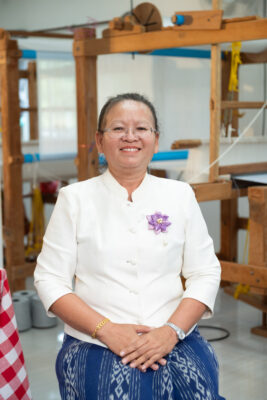
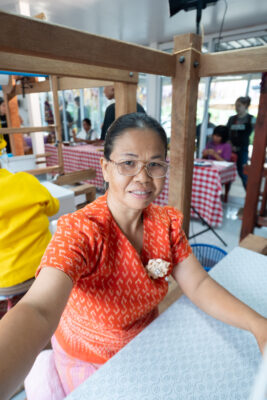
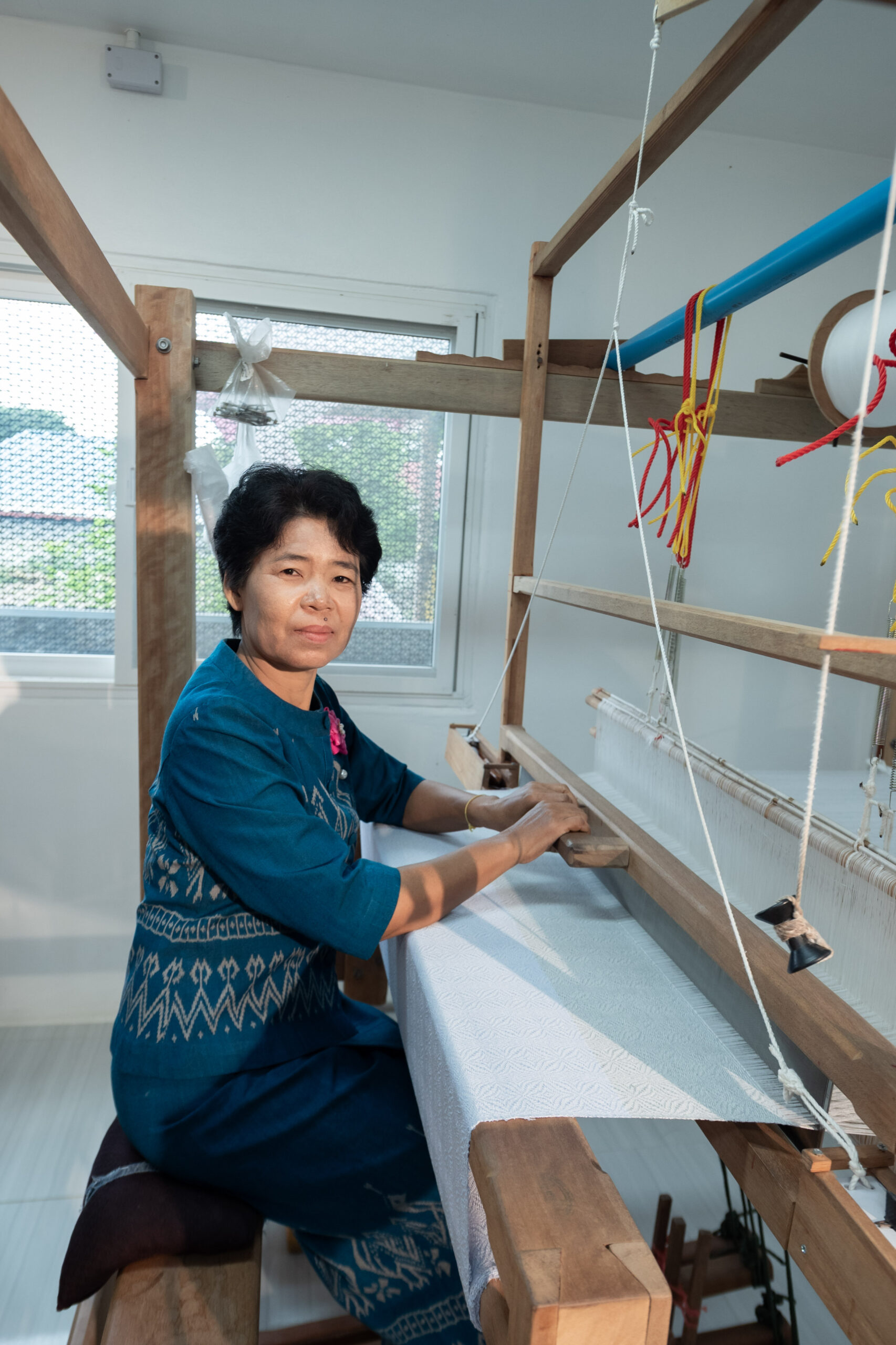
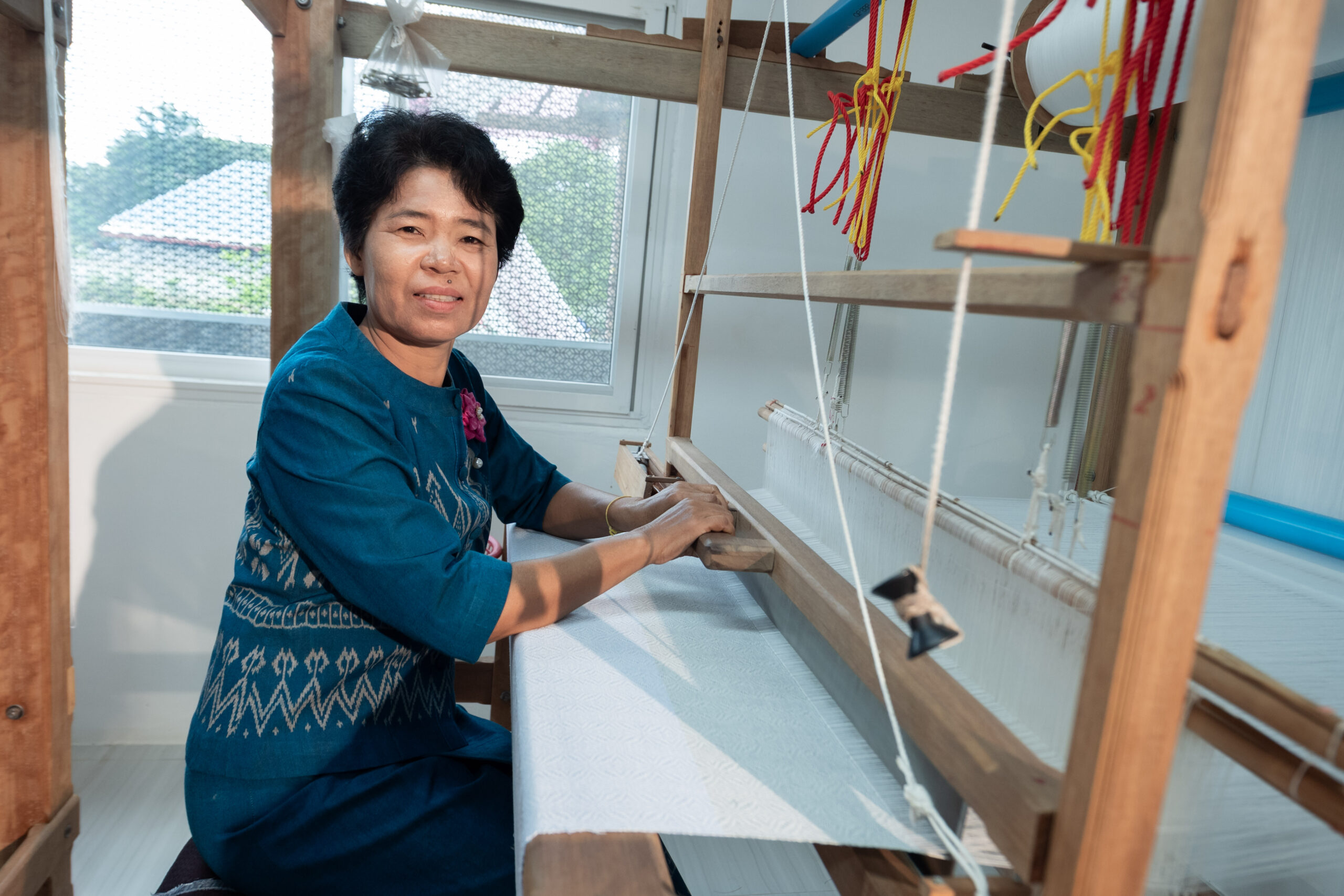
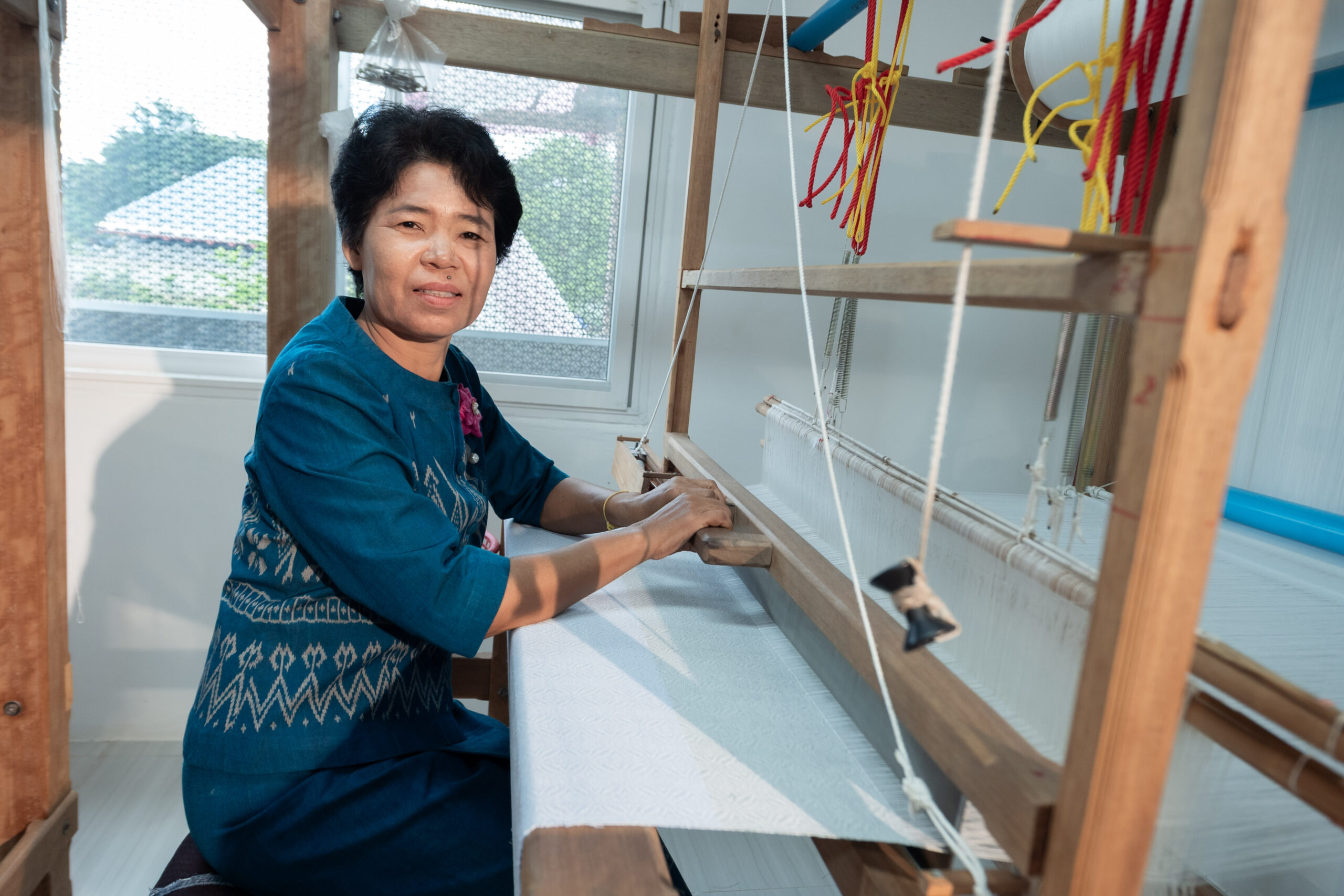
The inspiration of the weavers at Loom Phu Academy began with the bonds of family, which nurtured weaving as an integral part of life. From childhood, they were trained and guided by family members—learning not only the processes of weaving but also the meticulous techniques of silk weaving. This upbringing cultivated a deep understanding of fibers and patterns.
When Loom Phu Academy was established in the community, it sparked a strong motivation to become part of it—both to practice and refine their skills in a more professional way, and to elevate their existing knowledge into a sustainable career. This has provided income for their families and, more importantly, empowered them to help preserve and carry forward the wisdom of traditional weaving so that it endures and flourishes for generations to come
Knowledge / Expertise / Special Techniques in Textile Work
Special Techniques in the Weaving Process of Loom Phu
Loom Phu serves as a center for preserving and developing Thai weaving traditions through refined and profound processes. Its guiding principle is “studying the pattern before weaving” to ensure a deep understanding of the meaning and origin of each motif before transferring it onto the fabric. This reflects the working philosophy that “every pattern has life and tells a story.”
The Process of Understanding Patterns Before Weaving Before beginning to weave, Loom Phu’s artisans carefully study the motifs through the following steps: Researching the Origin and Meaning of Patterns Consulting ancient manuscripts, oral accounts from local sages, or preserved textiles. Interpreting the symbolism of motifs, e.g., the Naga motif representing abundance, or floral motifs symbolizing growth and prosperity. Sketching and Visualization Repeatedly sketching the pattern by hand to grasp its structure and balance. Preserving the authenticity of traditional designs, while allowing newly created patterns to harmonize with cultural beliefs and values. Selecting Appropriate Weaving Techniques Each motif requires a specific weaving method. For instance, complex patterns may use Jok (brocade) or Khid (supplementary weft), while linear patterns may employ Mudmee (ikat) techniques.
Opinions on the Preservation and Development of Local Handwoven Textiles
There is a strong desire to preserve handwoven textiles as part of the community’s cultural heritage, while also creating opportunities for interested individuals to learn, practice, and carry on this knowledge through structured training provided at the Witchalai (Weaving Learning Center). This center serves as a systematic hub for textile education.
In addition, there is a hope to see continuous development and extension of textile knowledge, allowing handwoven fabrics to be transformed into diverse products that meet market demands. It is also expected that government and private sectors will play an active role in supporting, promoting, and enhancing the capacity of community-based products. Such collaboration would help generate sustainable income, distribute economic benefits from central areas to local communities, and foster balanced and resilient community growth.
ชุมชนอื่น ๆ ได้มากยิ่งขึ้น ส่งเสริมให้ชุมชนเติบโตไปพร้อมกันอย่างสมดุลและเข้มแข็ง
20, Moo 5, Muang Mai Sub-district, Sri Bun Rueang District, Nong Bua Lamphu Province, Postal Code 39180
Tel. 095-1036957