

Inspiration
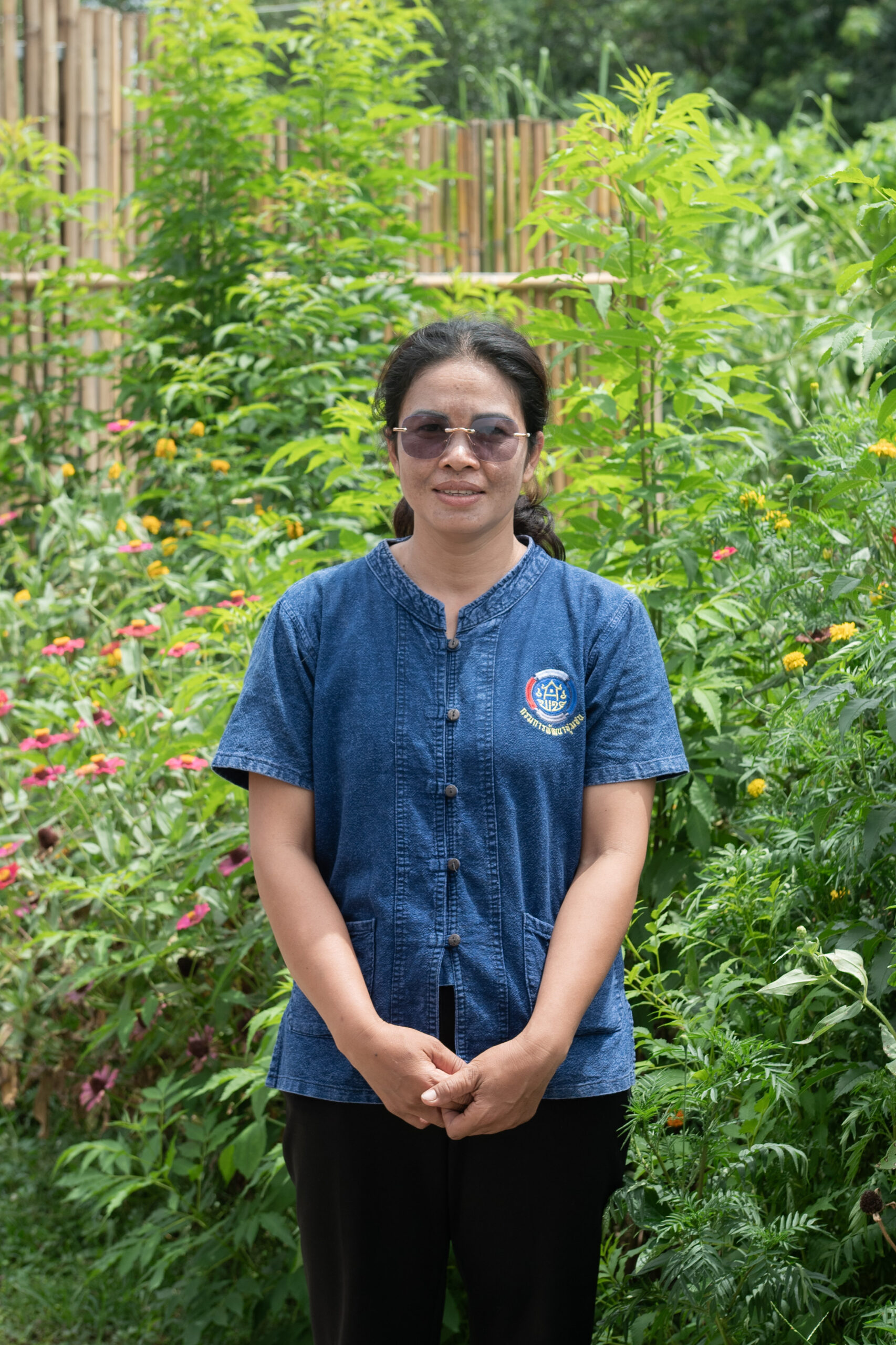
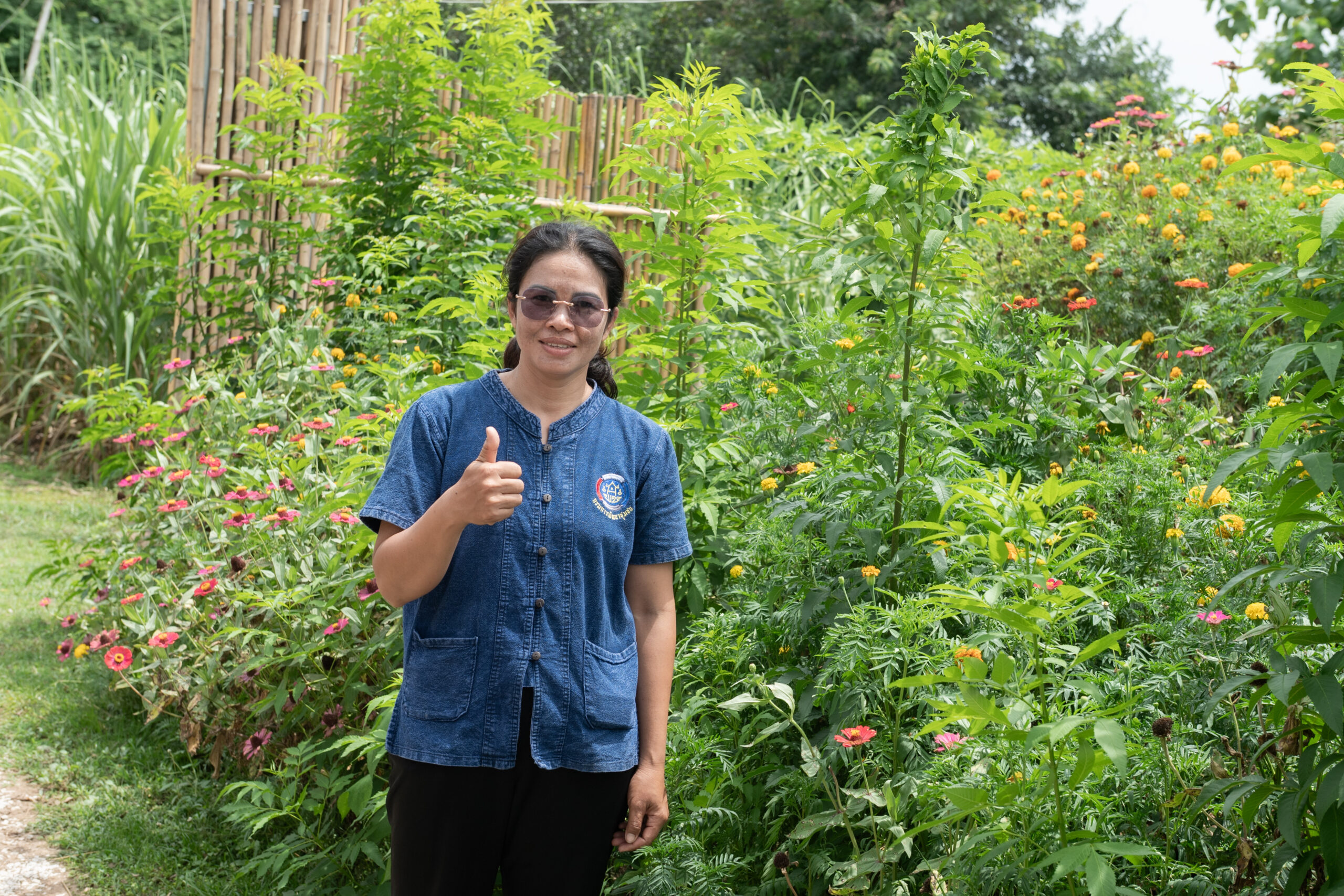
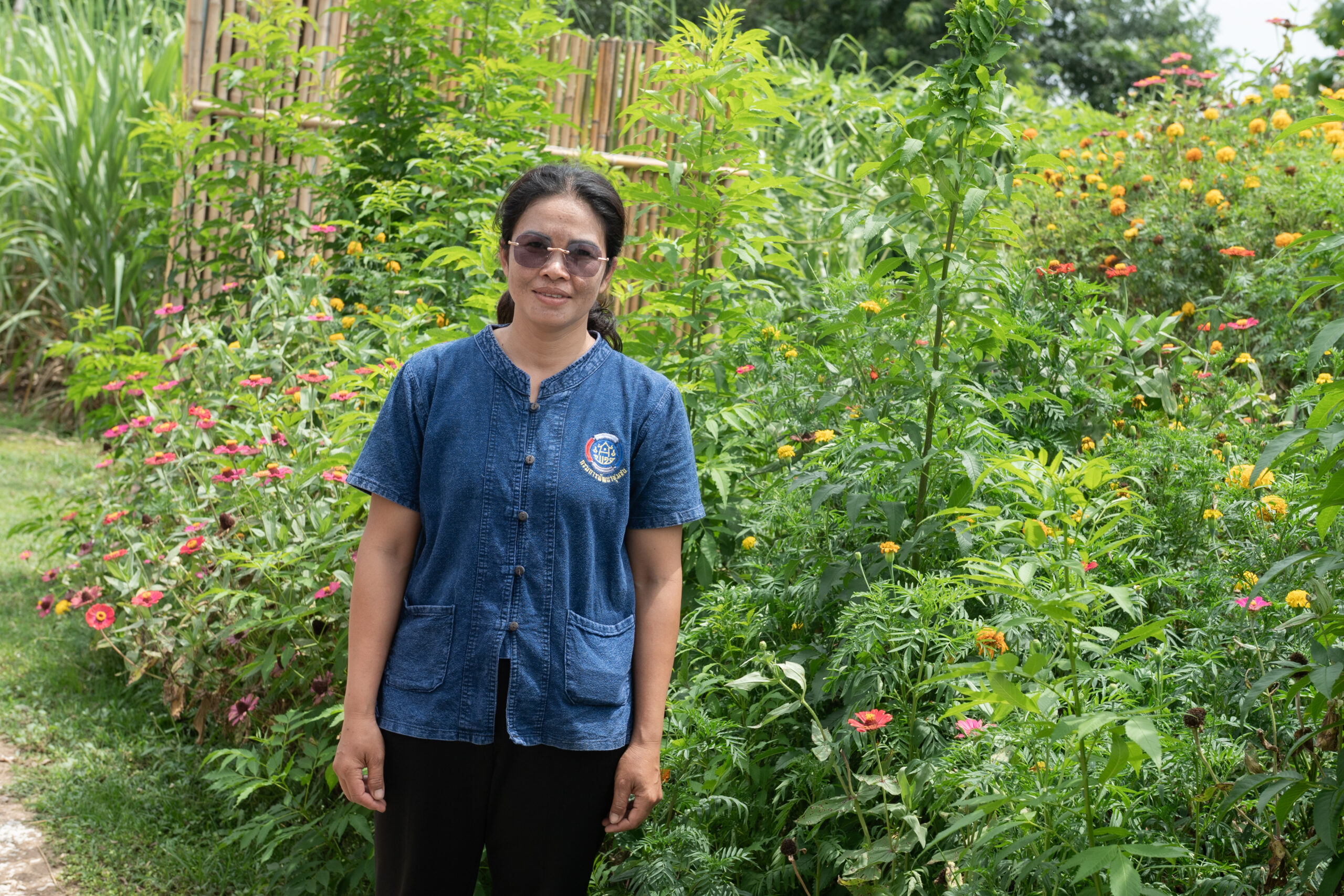
The beginning of becoming an expert in mushroom cultivation stemmed from the determination to work close to home and family, in order to create a balance between life and work. Mushroom farming was the right choice both in terms of income and time, as it requires only a small area, moderate labor, and relatively low start-up costs. What started as a supplementary activity gradually became the main source of family income. With a short production cycle (10–15 days to harvest), it provides continuous cash flow. At the same time, it allows for more family time and opportunities for self-development in a sustainable and self-sufficient lifestyle
Knowledge / Expertise / Special Techniques
She has profound knowledge of mushroom cultivation at both household and community levels, particularly in preparing substrates and managing the growth of mushroom cultures. This requires experience, technical understanding, and attention at every stage.
Key strengths in the cultivation process include:
- Substrate fermentation and spawn mixing: Raw materials such as sawdust, rice straw, or rice husks must be properly fermented and prepared before mixing with mushroom spawn to ensure high-quality yields.
- Environmental control in mushroom houses: Proper management of humidity, temperature, and lighting is essential for healthy mushroom growth.
- Production cycle: Prepared mushroom spawn usually produces harvestable mushrooms within 10–15 days, allowing year-round production planning.
- Harvesting and processing: Beyond fresh mushrooms, the products can be further processed into dried mushrooms, pickled mushrooms, or other value-added items
Opinions on the Conservation and Development of Local Handwoven Textiles
The mushroom cultivation initiative at Wittayalai Khok Nong Na Phak Pha Na Wang serves as an example of applying agricultural knowledge to improve quality of life. Starting from simple resources—soil, water, and determination—it has grown into a sustainable career that not only supports the family but also transfers knowledge to help the community progress together on the foundation of sufficiency and sustainability. She hopes that those interested, especially youth and the younger generation, will come to learn mushroom cultivation systematically through hands-on practice at the Wittayalai. This includes the entire process: preparing materials, fermenting spawn, caring for mushrooms in the house, harvesting, and processing. Mushroom farming is a career that produces quick results and income. It can be done alongside other jobs or even in small spaces at home. Learning directly from an expert helps reduce mistakes and provides the opportunity to expand mushroom cultivation into either a supplementary or a primary source of income for individuals and families in the future.
162, Village No. 3, Na Lao Sub-district, Na Wang District, Nong Bua Lamphu Province, 39170
Phone 086-3256720