

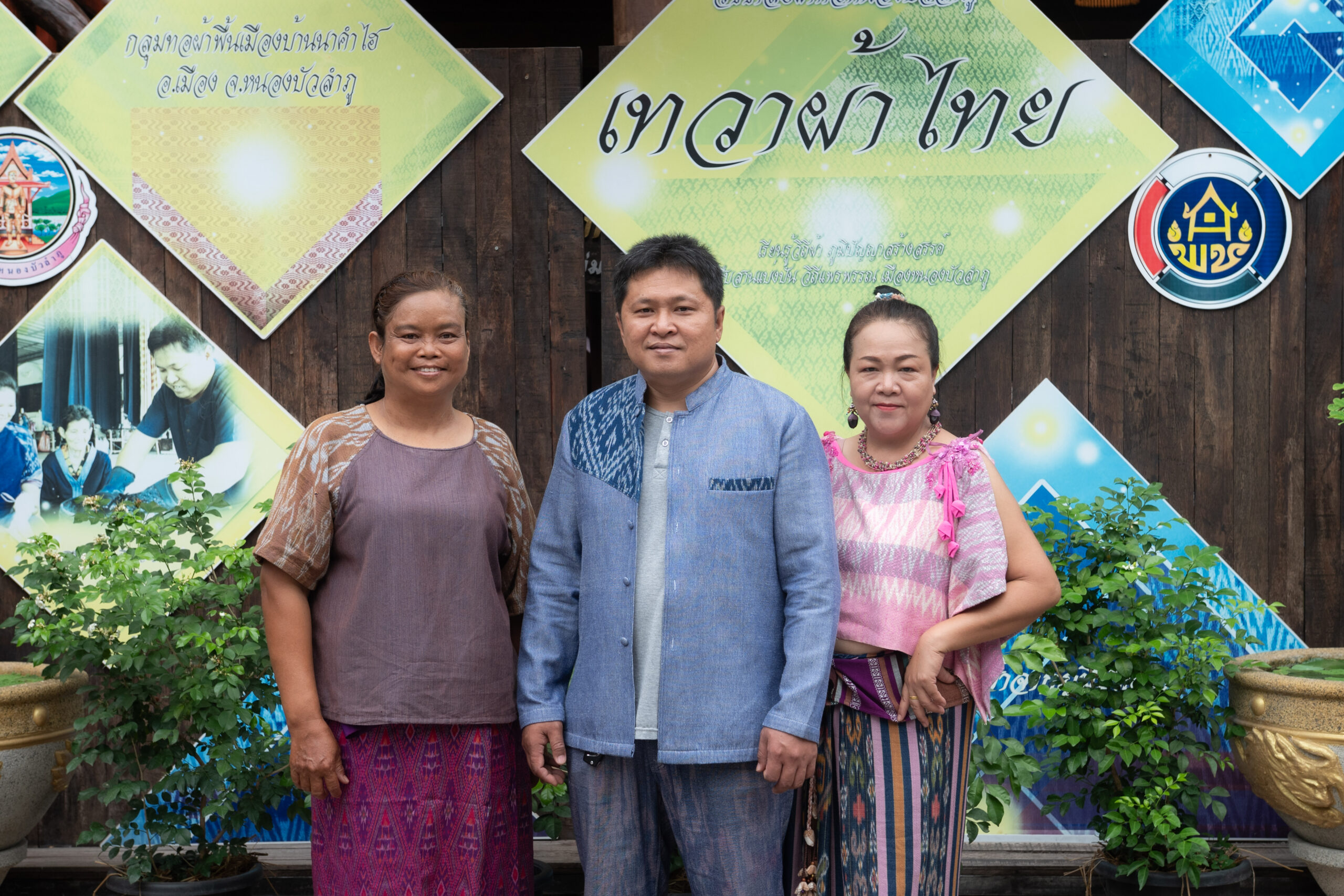
Inspiration
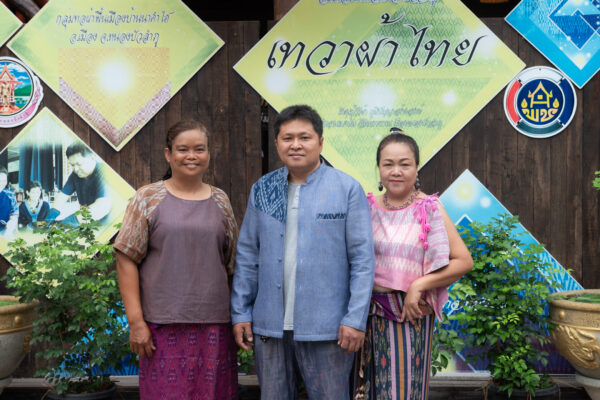
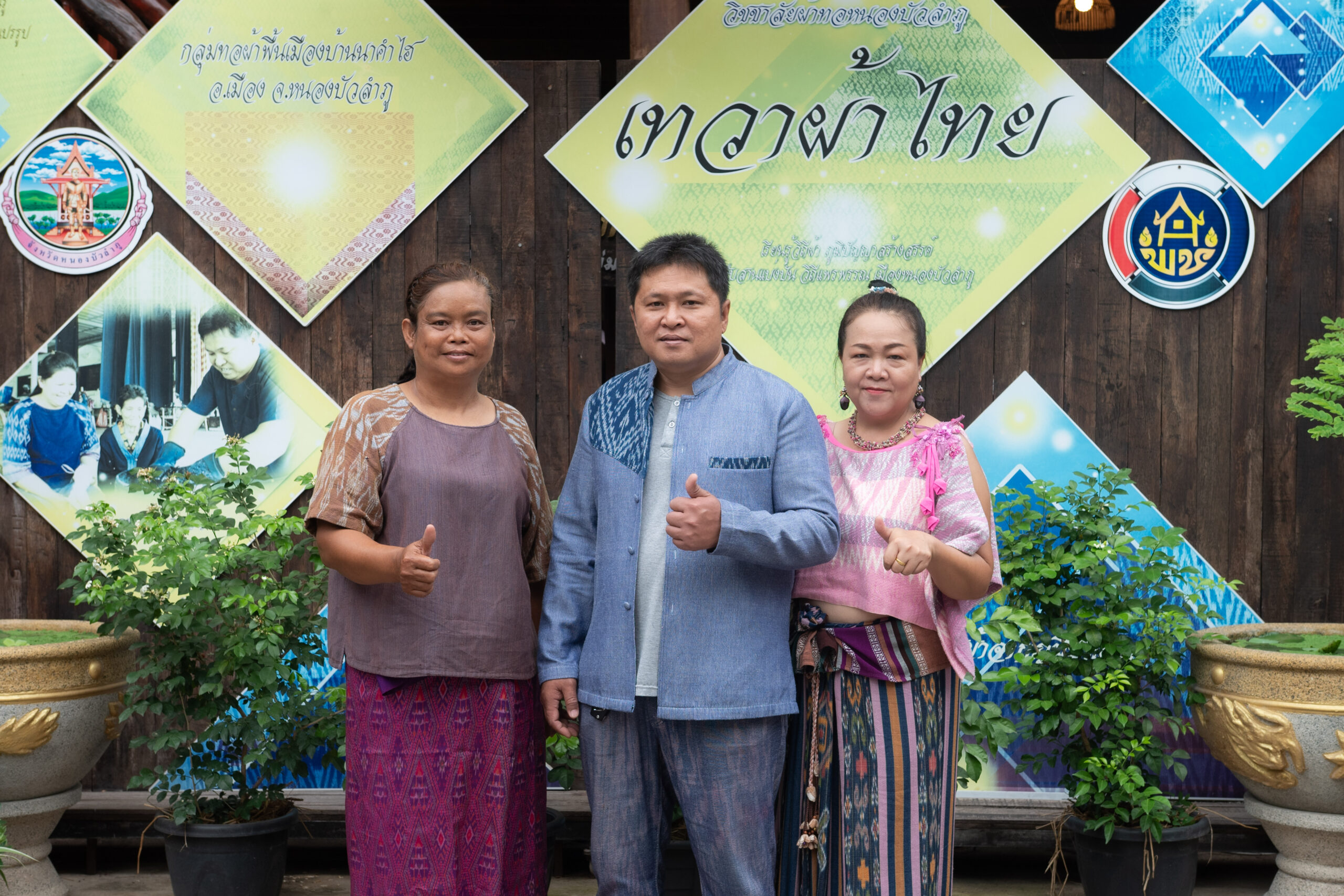
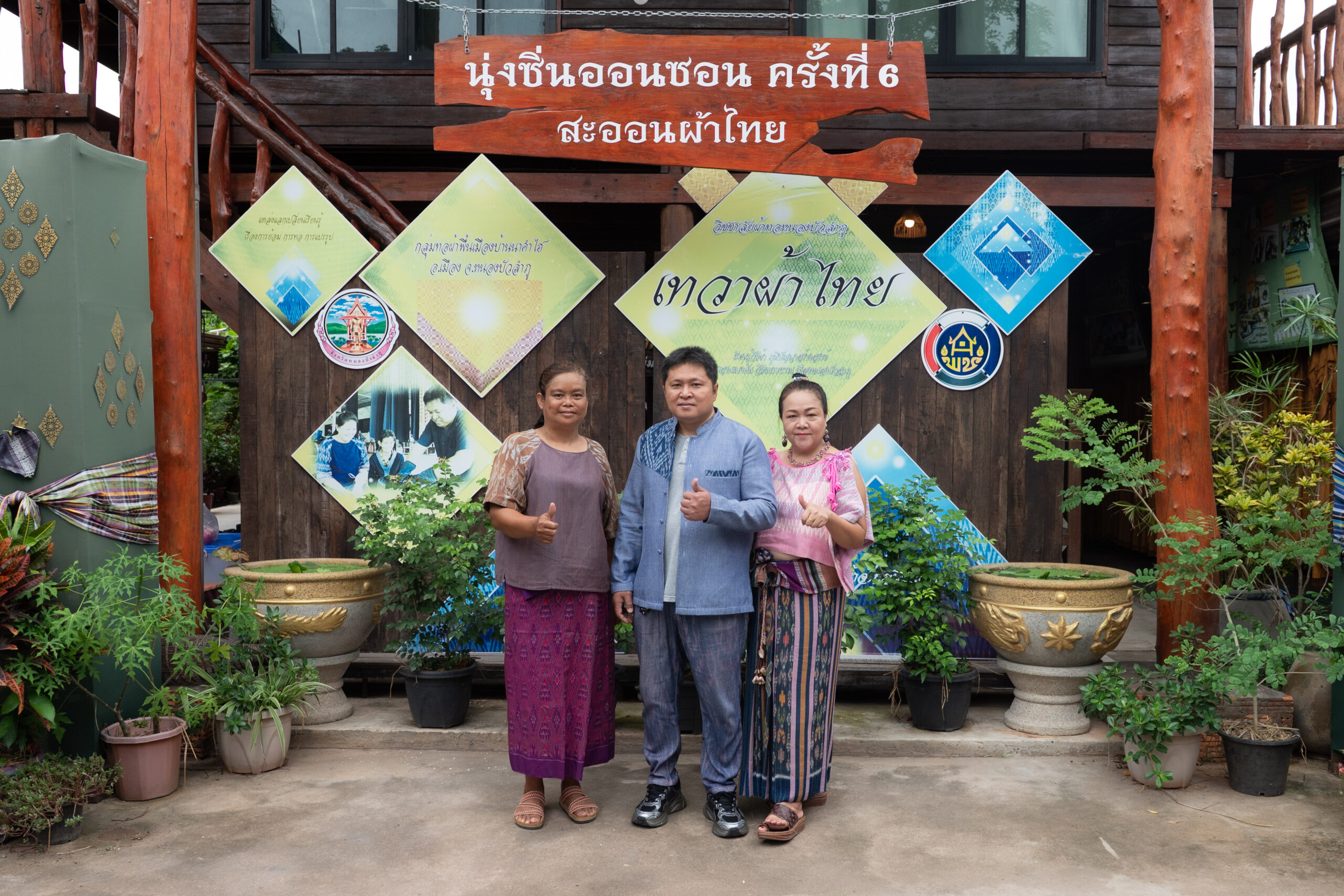
The inspiration of the master artisan at Dewa Thai Fabric Academy began at “home”—a place filled with love and warmth. Spending time with family, she noticed an abundance of leftover fabric scraps from sewing. Instead of letting them become waste, she saw the hidden value within these pieces. She began experimenting—assembling, patching, and redesigning them—until they transformed into works with distinctive patterns, each carrying a story of love, care, and environmental stewardship. This marked the birth of the concept “Fabric from Scraps”—an idea that is both eco-friendly and rich in cultural significance.
Expertise / Special Techniques:
The master artisan of Dewa Thai Fabric Academy specializes in transforming fabric scraps and surplus materials into elegant, modern, and distinctive textile works. Using unique techniques, the process emphasizes meticulous craftsmanship and contemporary design that meets modern needs. The expertise can be divided into two key areas:
1. Special Fabric-Making Techniques
• Step 1: Artistic Fabric Scrap Selection
The artisan carefully selects fabric scraps from leftover projects, considering color, texture, and surface quality to create a harmonious and visually engaging combination. Attention is paid to arranging patterns with balanced rhythm and flow.
• Step 2: Fabric Arrangement and Patchwork Design
Scraps are pieced together using a refined patchwork technique, developed into a unique signature style. Both geometric compositions and free-form arrangements are used to create dimension and originality.
• Step 3: Reinforcement with Fine Stitching
In the sewing process, the artisan employs overlapping stitches to strengthen the fabric’s structure and uses decorative, precise stitching to add value and a luxurious finish to each piece.
• Step 4: Pressing, Shaping, and Patterned Sewing
Once the fabric is assembled, it is pressed to achieve smoothness and shape retention before being tailored with custom patterns suited to the fabric’s characteristics.
• Step 5: Final Detailing and Decorative Touches
In the final stage, embellishments such as hand embroidery, gold thread stitching, or ribbon and lace edging are added to enhance elegance and ensure a refined, ready-to-use product.
2. Contemporary Design Approach
• Integrating Traditional Thai Motifs with Modern Style Many creations blend local patterns with contemporary fashion forms, such as jackets, handbags, or home décor, preserving a Thai essence while ensuring practical, everyday usability.
• Designs for the Modern Lifestyle Products are designed for convenience and versatility, such as ready-to-wear wrap skirts, easy slip-on garments, multifunctional bags, or transformable outfits that adapt to diverse needs.
• Universal Color Palettes and Minimalist Forms
Modern color schemes are applied—earth tones, classic muted shades, or tasteful gradients—combined with minimalist shapes that are simple yet sophisticated.
Opinion on the Preservation and Development of Local Textiles
“I would like to see training programs on creating products from fabric scraps to ensure the efficient use of resources and to extend local wisdom into creative products that can be practically marketed. Such programs should also provide opportunities for the younger generation to learn and develop supplementary careers from weaving, inspiring the preservation and creative development of local textiles so they can endure and grow sustainably.”
264, Village No. 2, Na Kham Hai Subdistrict, Mueang District, Nong Bua Lam Phu 39000, Thailand
Tel. 094-4491731