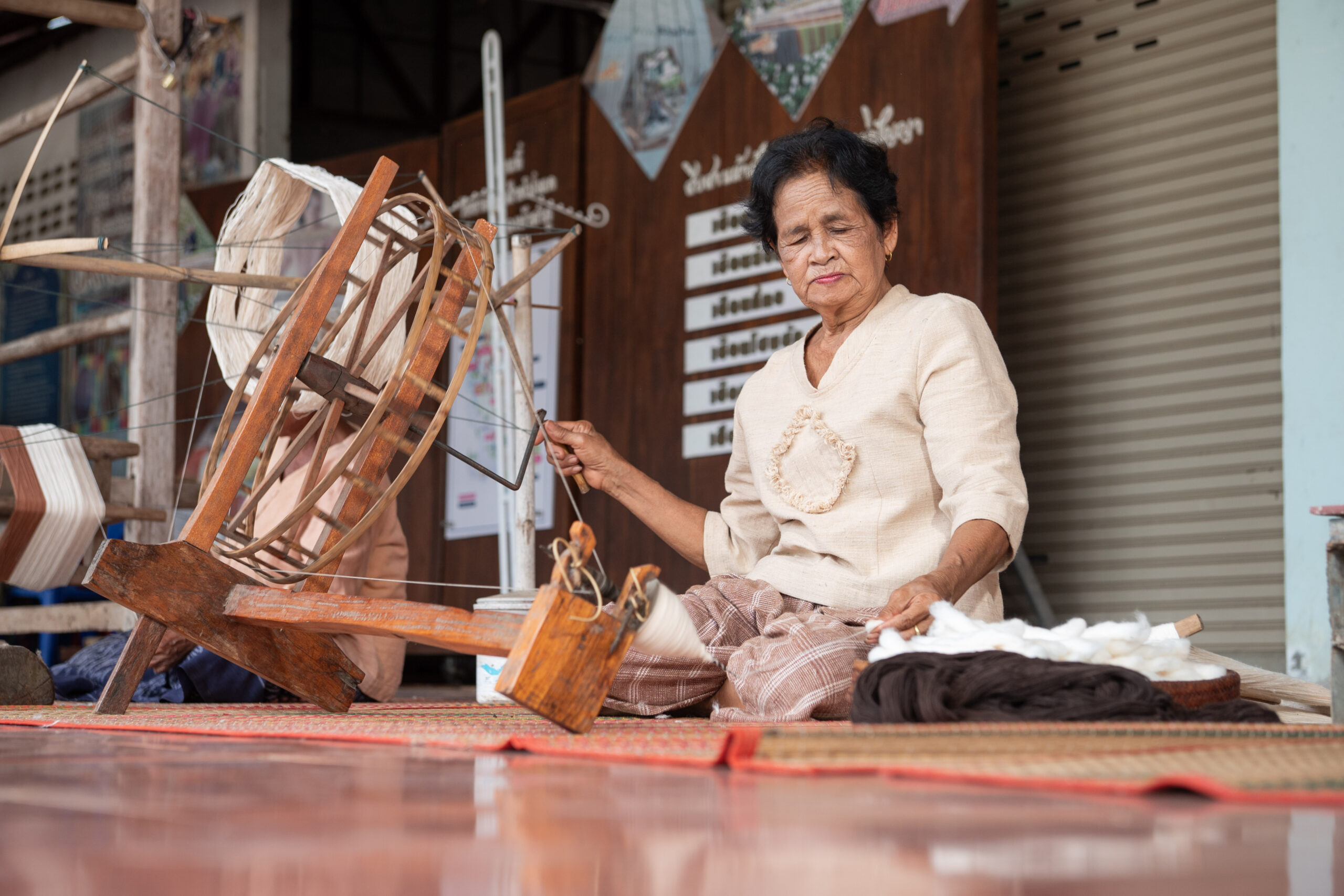
From the land of Ban Pongkhae, Na Wang District, Nong Bua Lamphu Province, where life was once deeply intertwined with cotton, villagers used to grow cotton, spin yarn, weave cloth, and wear their own handwoven fabrics as a normal part of household life. Over time, however, as modern conveniences and ready-made fabrics became more accessible, the old wisdom began to fade away.

            The revival and continuation of cotton weaving wisdom was sparked once again by younger generations of villagers who recognized the value, beauty, and unique identity of local cotton. This small beginning started with a group of elders in the community, who, having no regular employment, came together to weave fabric using indigenous cotton varieties such as Katui cotton and traditional white cotton.
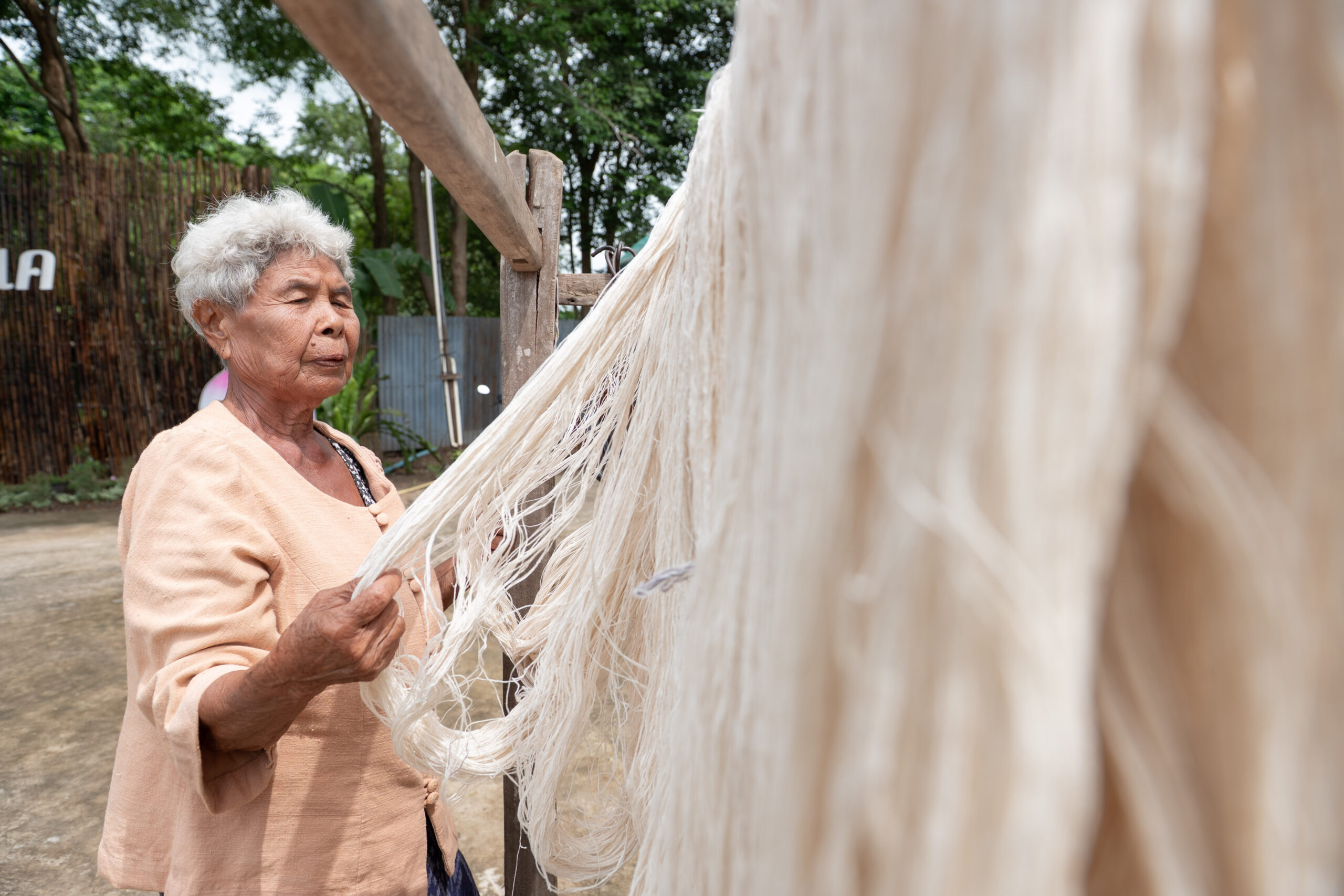
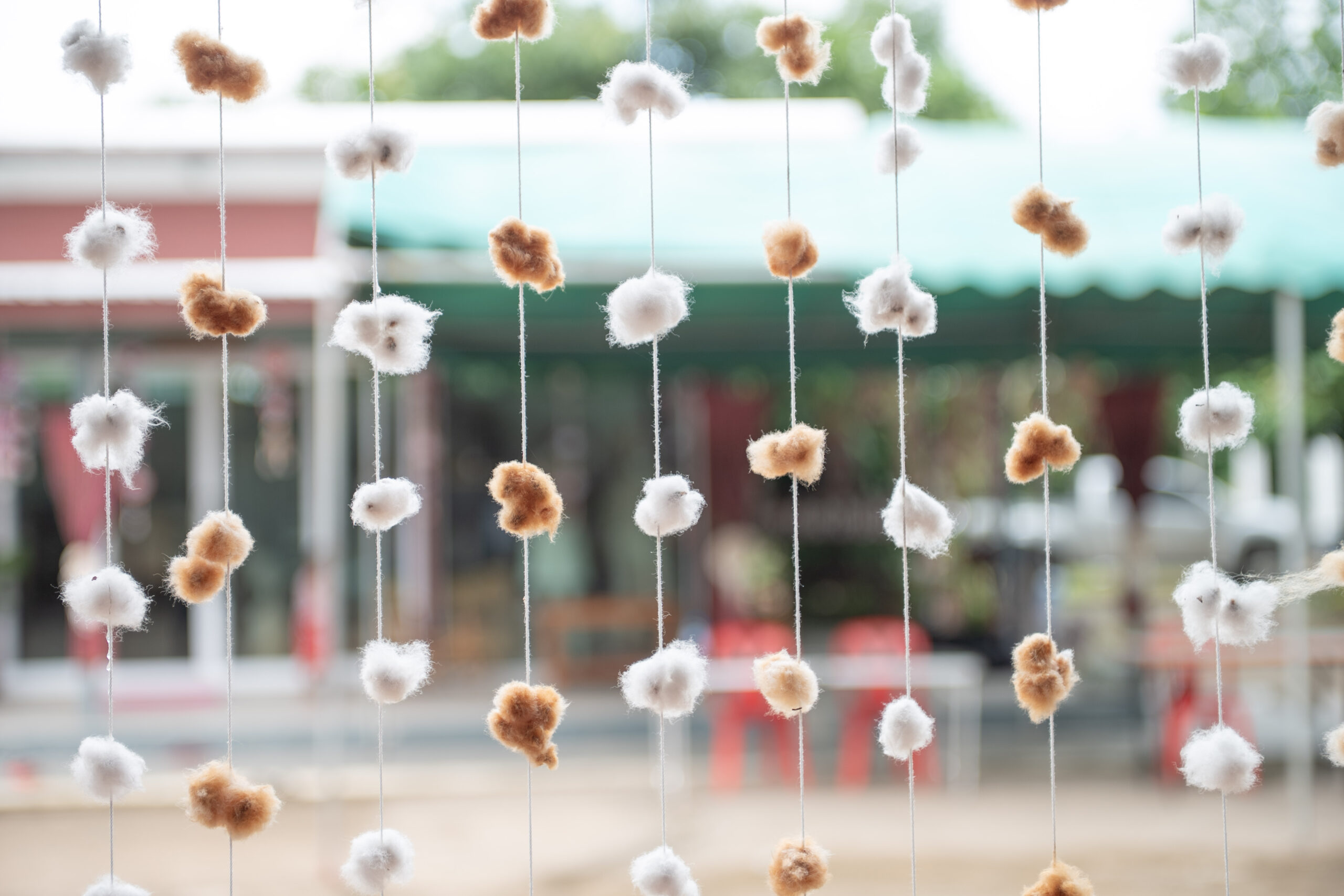
            At first, the products did not attract much market interest. However, Phuyai Nee, the head of the group, who possessed knowledge of tailoring and fashion design gained from formal training, began to transform cotton into clothing for personal use. This initiative soon became an inspiration to create a brand and develop contemporary products with distinct identity.

Operational Approach of the Weaving Academy

        The Kattui Pongkhae Cotton Weaving Academy, Nong Bua Lamphu Province, operates under the principle of preserving traditional knowledge while integrating contemporary innovation, with community participation as the core strategy. The goal is to create careers, generate income, and sustainably pass on wisdom to the next generation through the following main approaches:

  1. Promote learning from the grassroots
    Develop training curricula on traditional cotton weaving, natural dyeing, and eco-printing techniques to transfer knowledge to youth, community members, and general participants. The process emphasizes “learning by doing” and learning within the actual community environment.
  2. Self-reliance in all production processes
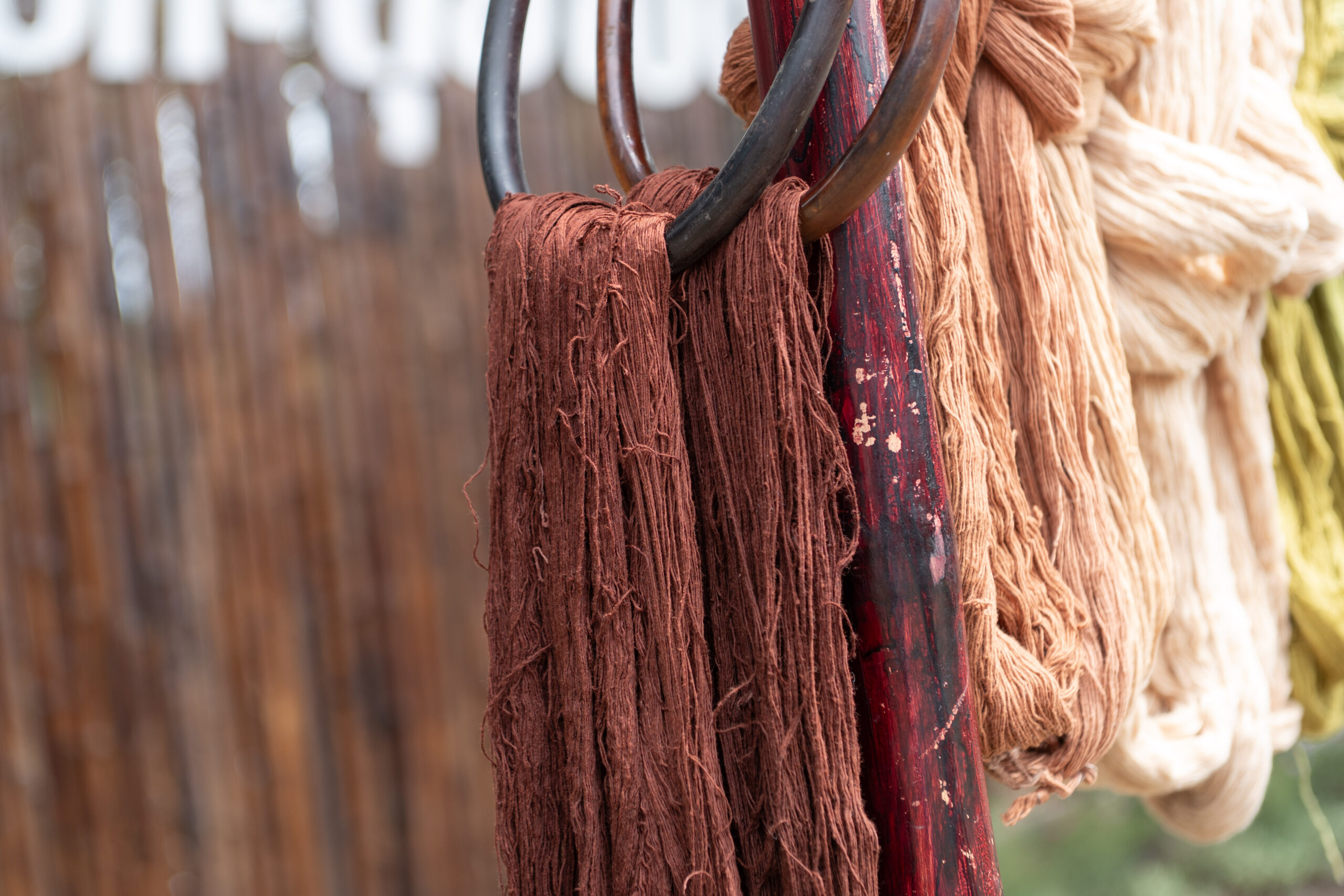
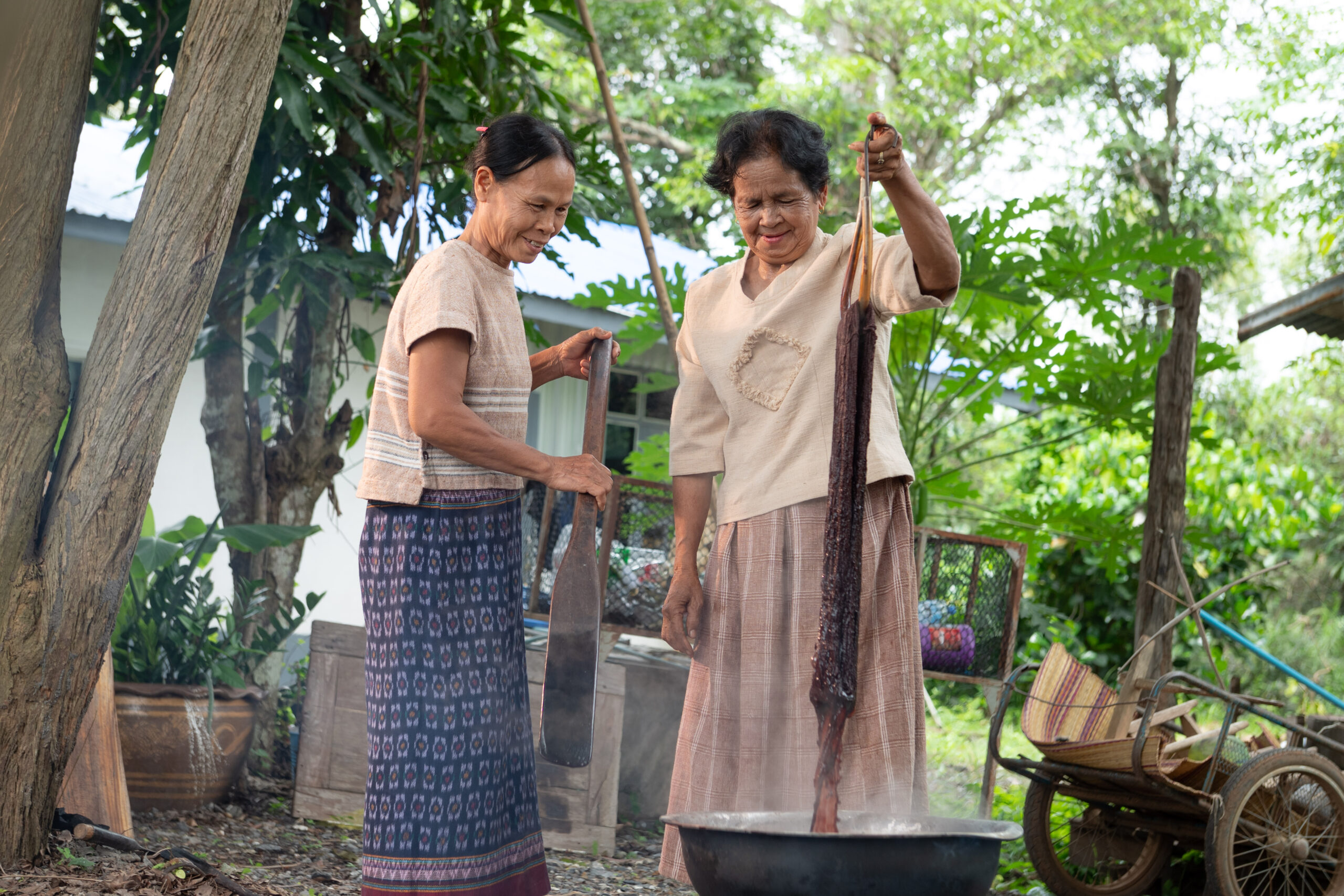
    Manage every step of production, from cotton cultivation – spinning – dyeing – weaving – designing – tailoring – to product transformation, under the concept “one group, all skills covered.” The focus is on using local natural materials such as kattui cotton, dyes from tree bark, leaves, flowers, etc.
  3. Create jobs and income in the community
    Provide opportunities for the elderly and housewives without permanent jobs to engage in production processes such as weaving, sewing, and product processing. A home-based production system allows flexibility in work while ensuring continuous income for members.
  4. Develop products to meet market demands
    Blend contemporary designs with Thai textiles to create items such as youth fashion, decorative goods, and souvenirs. Collaborations with designers and private sector partners help modernize products while preserving their unique identity.
  5. Commitment to environmental conservation
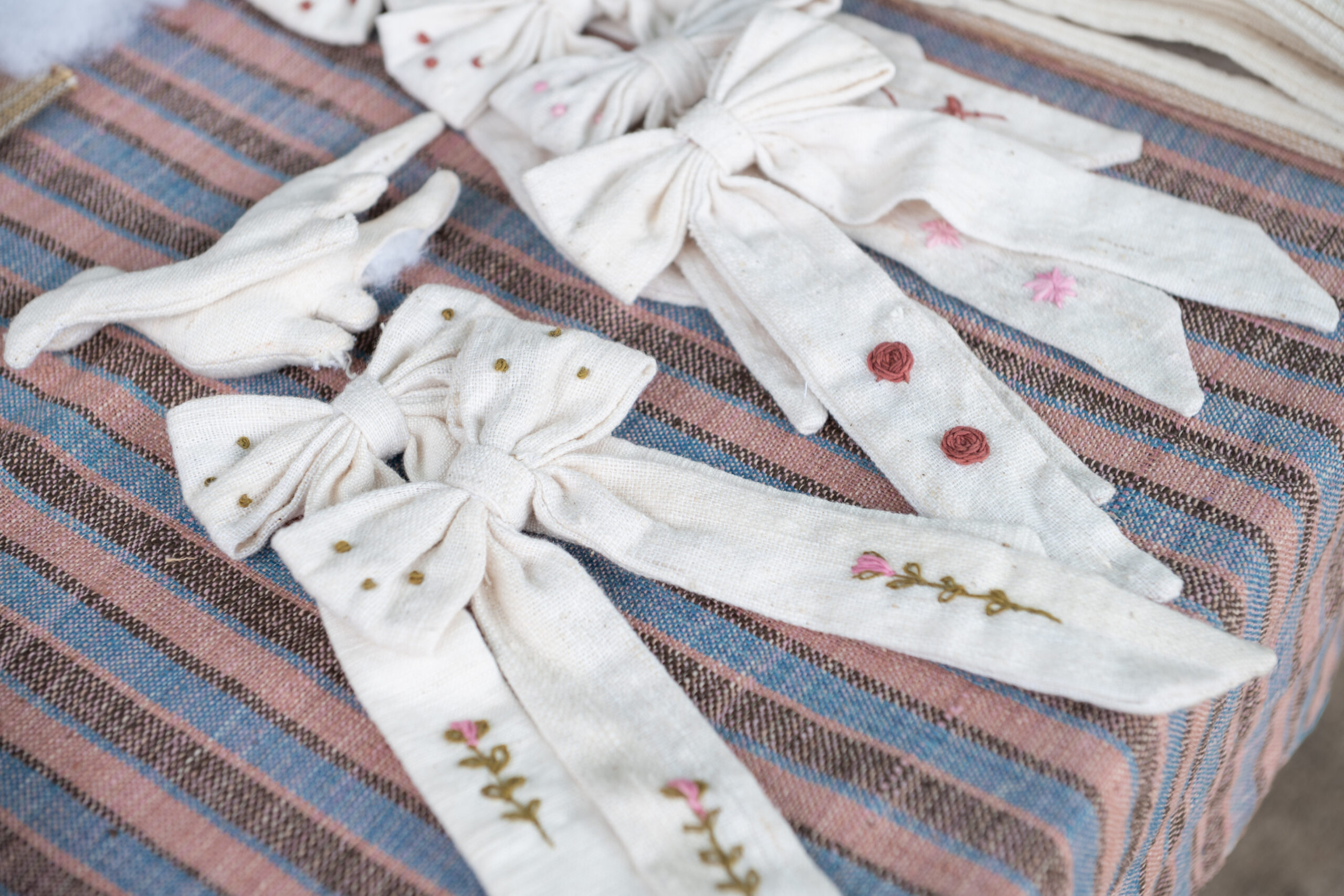
    Prioritize natural, chemical-free materials in both production and dyeing processes. Use eco-friendly packaging and reduce production waste, e.g., turning fabric scraps into bows, bags, dolls, and other upcycled products.
  6. Build networks and community-based marketing
    Expand distribution channels both online and offline, including participation in OTOP fairs. Promote study tours and learning tourism centered on cotton weaving within the community, linking the market with cultural tourism.

Highlights of the Weaving Academy

  1. Comprehensive Community-Based Production
    The entire production process is managed within the community—from cultivating the local cotton variety (Katuay Cotton), spinning, natural dyeing, weaving, designing, tailoring, to product transformation. All steps take place within the same community, ensuring strict quality control and preserving the authenticity of local identity.
  2. Natural Raw Materials and Traditional Dyeing
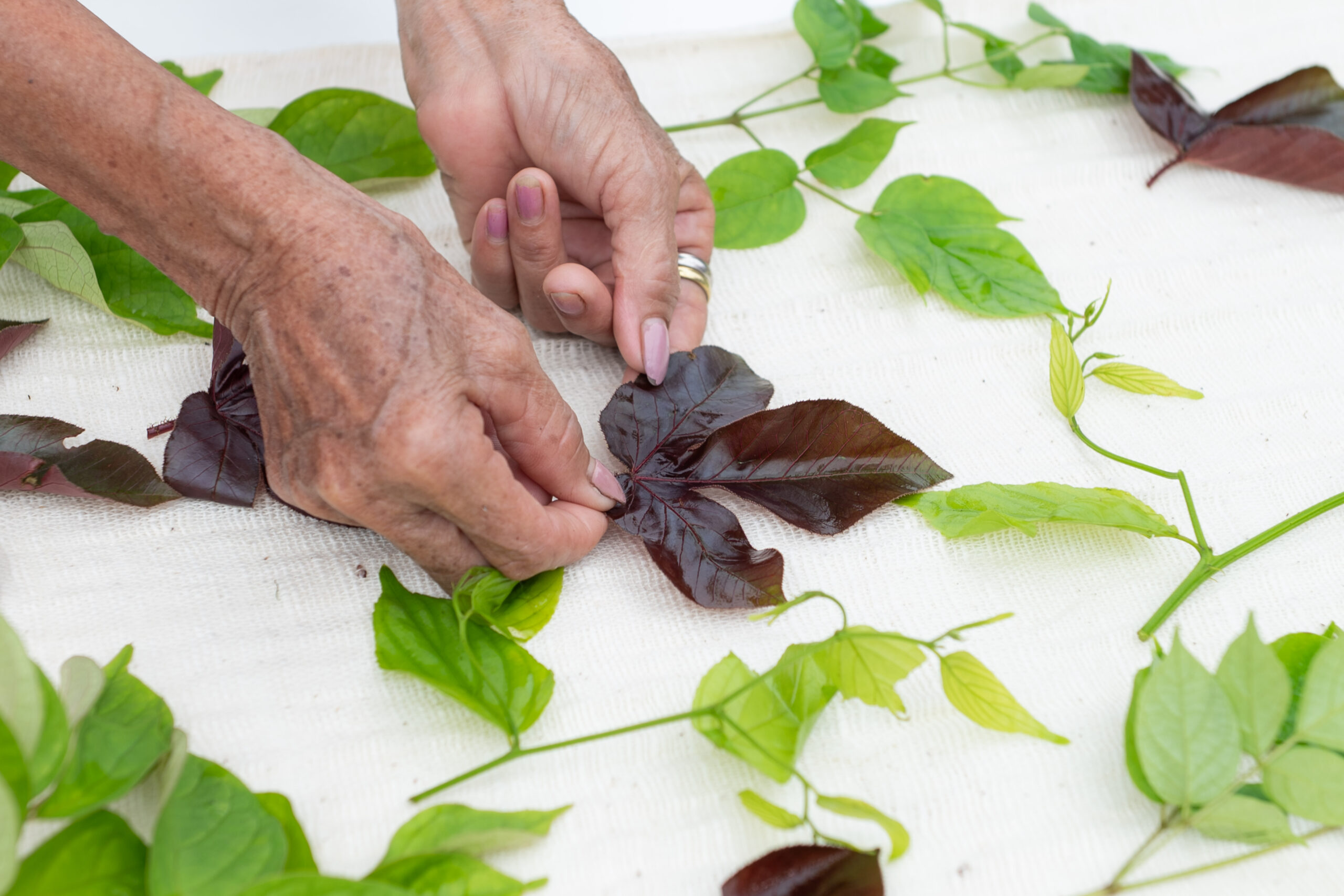
    The academy prioritizes local natural resources such as leaves, barks, and wildflowers, dyed with traditional wisdom-based techniques. It also embraces special methods like Ecoprinting, which is both beautiful and eco-friendly.
  3. Contemporary Design for Modern Lifestyles
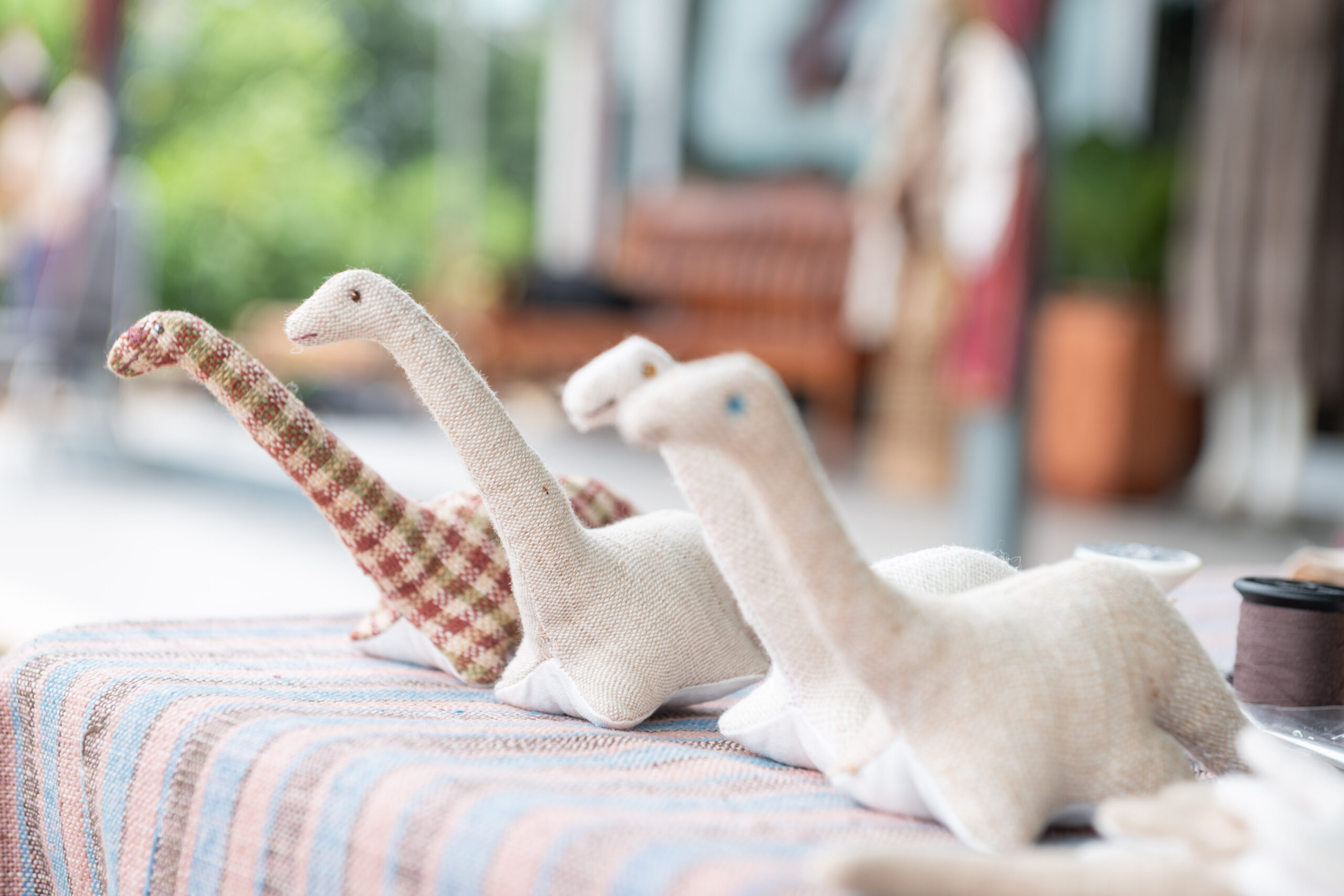
    Beyond preservation, the academy transforms “traditional cotton” into contemporary fashion and lifestyle items that meet the needs of younger generations. The product range includes ready-to-wear clothing, handbags, fabric bows, dinosaur dolls, and other fashion accessories.
  4. Creating Jobs and Income for the Community
    Particularly for the elderly and unemployed community members, every step of the production process—spinning, dyeing, sewing, and more—provides opportunities for home-based work. This ensures fair distribution of income and strengthens community resilience.
  5. Learning Hub and Hands-On Workshops
    The academy serves as a concrete learning center, offering training programs for the general public, students, and study groups. Workshops cover weaving, natural dyeing, and product design, helping to pass on knowledge in both cultural and practical contexts.

Curriculum of the Weaving Academy

  • Natural Dyeing
    Learning to dye fabrics using natural materials such as leaves, tree roots, fruits, and fruit peels. Seasonal fermentation methods, for example, using ton-tan makuea (local root substitute), are also applied.
  • Eco-Printing: Adding Value to Fabrics
    Creating natural patterns on cotton fabrics dyed with natural dyes by pressing fresh leaves onto the fabric. This course develops creativity, teaches composition techniques, and enhances the fabric’s value while creating unique designs.
  • Dinosaur Doll Making
    Learning to cut, sew, and stuff cotton into dinosaur-shaped dolls. This activity promotes precision, creativity, and the effective use of fabric scraps. Suitable for children and beginners in handicrafts.
  • Handkerchief Embroidery
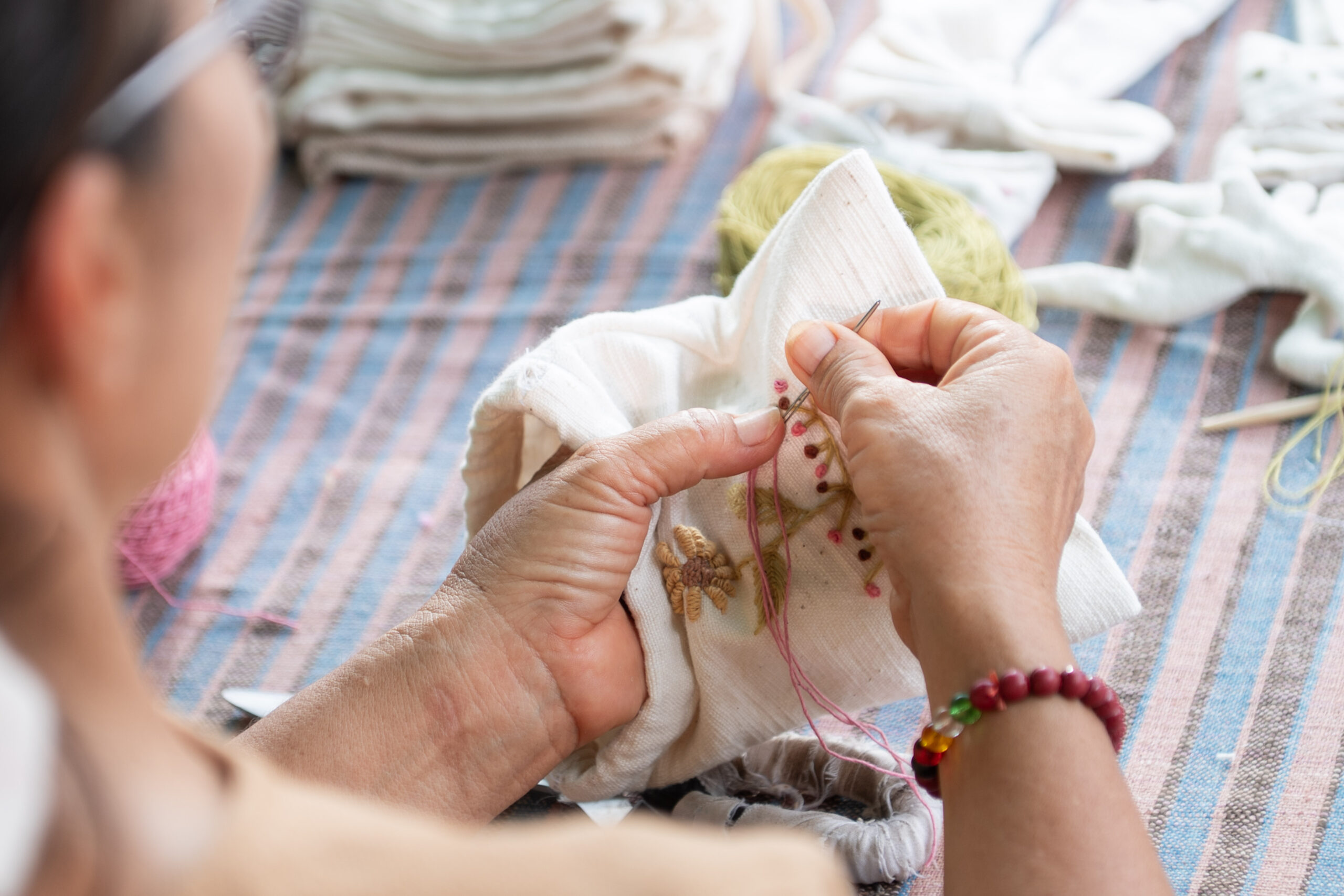
    Practicing embroidery of floral motifs and local patterns on cotton handkerchiefs, using hand-spun cotton threads and natural fibers.
  • Hair Bow and Headband Making with Embroidery
    Crafting accessories such as hair bows and headbands from cotton fabric. Students learn to decorate with embroidered floral or personalized designs. This course is especially popular among teenagers and women.
  • Cotton Fabric Bags
    Designing, cutting, sewing, and decorating cotton bags using leftover natural-dyed fabric. The course promotes creativity, upcycling, and sustainability. Finished products can be sold at OTOP fairs or through online platforms.
  • Softening Fabric Technique
    Using traditional methods such as applying rice starch water onto yarns before weaving. After weaving and washing, the fabric naturally becomes softer and fluffier.
  • Color Preservation Techniques for Cotton Fabrics
    Learning traditional methods to maintain the durability and vibrancy of natural-dyed cotton, ensuring that colors remain long-lasting.